




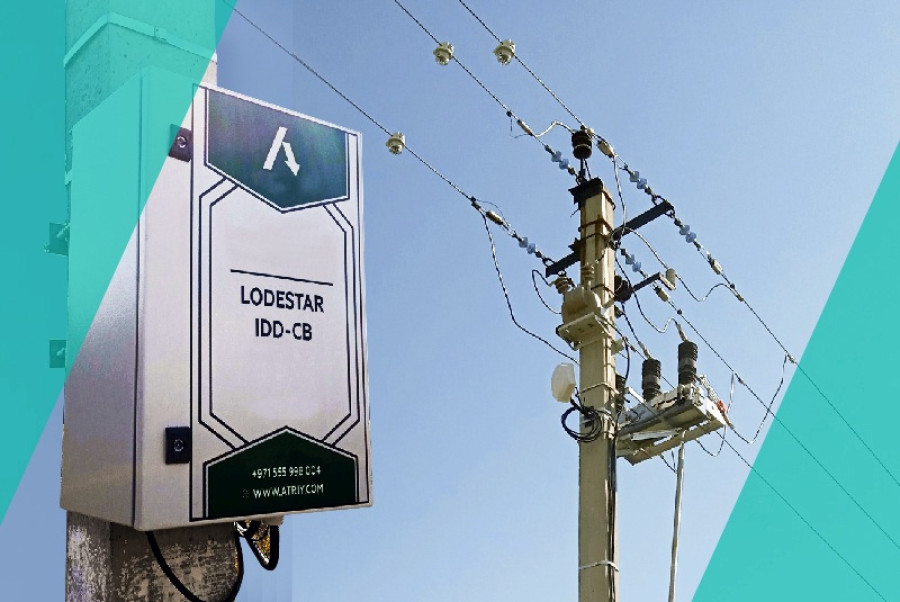
With rising energy consumption and increasing demands on power supply reliability, grid companies are facing the urgent need to modernize their equipment. Traditional methods of sectioning and protecting power lines often fail to promptly respond to incidents and minimize damage to consumers. A key solution to this problem is the implementation of digital control devices, such as the IDD-CB load switch developed by ATRIY.
This device is designed for remote sectioning of overhead lines (OHL) and fundamentally changes the approach to network management. A load break switch creates a visible gap in the circuit between equipment that has been taken out for repair and equipment that is under operational voltage.
Why is the IDD-CB important for energy companies?
Minimizing consumer outages
The fundamental mission of any utility company is to provide an uninterrupted supply of energy to its residential and commercial customers. The IDD-CB, when combined with the Automatic Network Restoration System (FLISR), allows for selective identification of the faulty section of a power line. Instead of de-energizing an entire district or community, the device automatically disconnects only the faulty section, maintaining power to the rest of the network.
Reduced Troubleshooting and Repair Time
The equipment can accurately detect the direction and type of fault (including difficult-to-diagnose single-phase-to-ground faults). This reduces fault location time by more than eightfold. Repair crews no longer spend hours patrolling the lines; they can now be dispatched directly to the location of the fault.
Creating a "Visible Break" and Safety
The unique design of the IDD-CB combines a vacuum circuit breaker and a disconnector. When a line is taken out of service for repair, the device creates a reliable, visible break in the circuit. This is critical for the safety of crews working on-site, eliminating the risk of erroneous power supply.
Installing IDD-CB digital load break switch is more than simply replacing outdated equipment. It represents a transition to a new technological paradigm, where the main criteria are reliability, safety, and cost-effectiveness through reduced network downtime and optimized maintenance services. For energy companies striving to improve service quality and reduce operating costs, such devices are becoming a necessity, not a luxury.